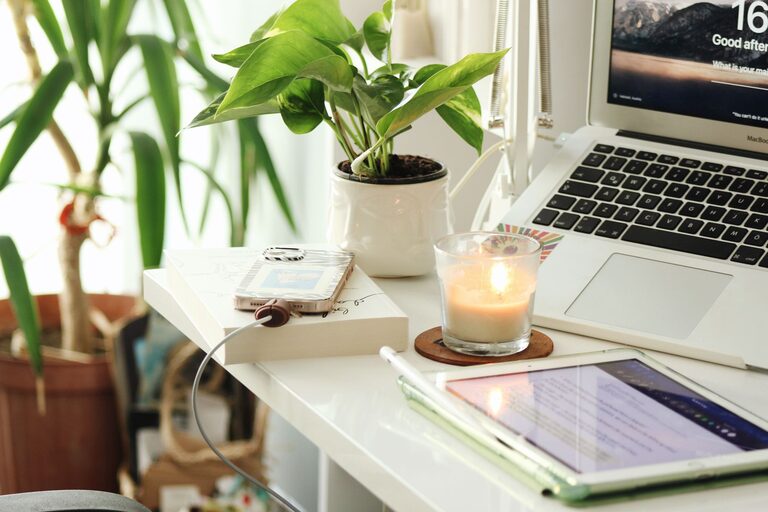
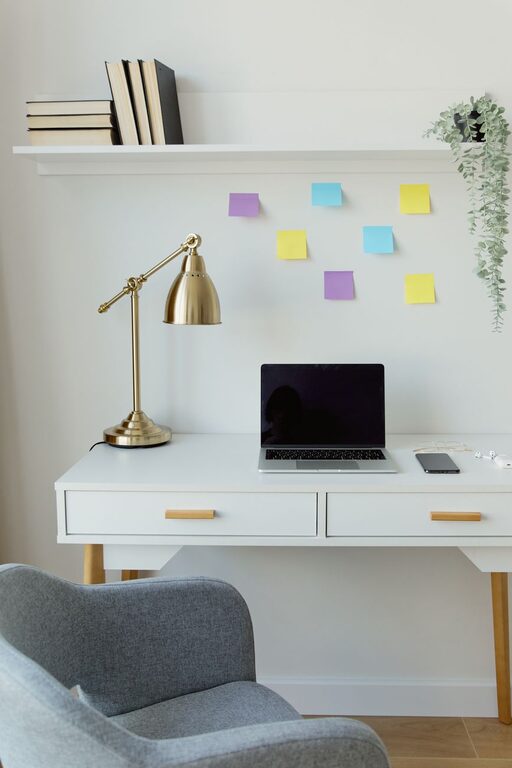
Creating a cozy and functional home workspace is essential for anyone who spends significant time working from home. A well-designed area can boost productivity, reduce stress, and make your workday more enjoyable. Whether you have a dedicated room or just a small corner, there are practical ways to transform your space. This guide will walk you through tips to help you build a home workspace that blends comfort and efficiency.
1. Choose the Right Location
Selecting the ideal spot for your workspace is the first step. Consider these factors:
– Natural Light: Position your desk near a window if possible. Natural light helps reduce eye strain and improves mood.
– Quiet Environment: Choose a place with minimal distractions, away from high-traffic areas.
– Space Availability: Even a small nook or unused closet can be turned into a work zone.
2. Invest in Comfortable Furniture
Comfort plays a key role in your productivity and health.
Ergonomic Desk and Chair
– Desk Height: Ensure your desk is at a height where your elbows form a 90-degree angle when typing.
– Chair Support: Use an ergonomic chair with lumbar support to keep good posture.
– Adjustability: Chairs with adjustable height and armrests accommodate different body types.
Additional Furniture
– Consider a small filing cabinet or bookshelf to keep materials organized.
– A footrest can improve circulation and comfort during long sitting periods.
3. Optimize Lighting
Proper lighting reduces eye fatigue and creates a cozy ambiance.
– Layered Lighting: Combine natural light, overhead lighting, and task lighting for flexibility.
– Desk Lamps: Use adjustable desk lamps with warm light bulbs for focused illumination.
– Avoid Glare: Position screens and lights to minimize glare and reflections.
4. Organize Your Workspace
Keeping your workspace clutter-free helps maintain focus.
– Declutter Regularly: Remove unnecessary items from your desk daily.
– Storage Solutions: Use drawer organizers, shelves, and boxes to store supplies.
– Cable Management: Use clips or sleeves to keep cords neat and prevent tangling.
5. Personalize Your Space
Adding personal touches makes your workspace inviting.
– Plants: Small indoor plants can improve air quality and add a calming vibe.
– Decor: Add artwork, photos, or motivational quotes that inspire you.
– Color Scheme: Choose colors that promote concentration such as soft blues or greens.
6. Manage Technology Efficiently
Tech setup can either enhance or hinder your workflow.
– Reliable Equipment: Ensure you have a good computer, reliable internet, and necessary devices.
– Monitor Position: Position monitors at eye level and about an arm’s length away.
– Noise Control: Use noise-canceling headphones or white noise machines if needed.
7. Maintain a Healthy Routine
Your workspace should support healthy work habits.
– Take Breaks: Schedule regular short breaks to stretch and rest your eyes.
– Stay Hydrated: Keep water near your desk to stay hydrated throughout the day.
– Movement: Incorporate standing or movement breaks to avoid prolonged sitting.
8. Create Boundaries Between Work and Home Life
Especially when working from home, it’s important to separate work time from personal time.
– Set Work Hours: Define clear start and end times to your workday.
– Physical Separation: Close the door or use room dividers to mark your workspace.
– End-of-Day Ritual: Have a routine that signals the end of work time, such as tidying your desk.
—
Designing a cozy and functional home workspace doesn’t require a large budget or space. With thoughtful planning and some small adjustments, you can create an environment that supports both comfort and productivity. Remember to prioritize your personal needs and preferences — your ideal workspace should feel like a place you look forward to spending time in.
About the Author