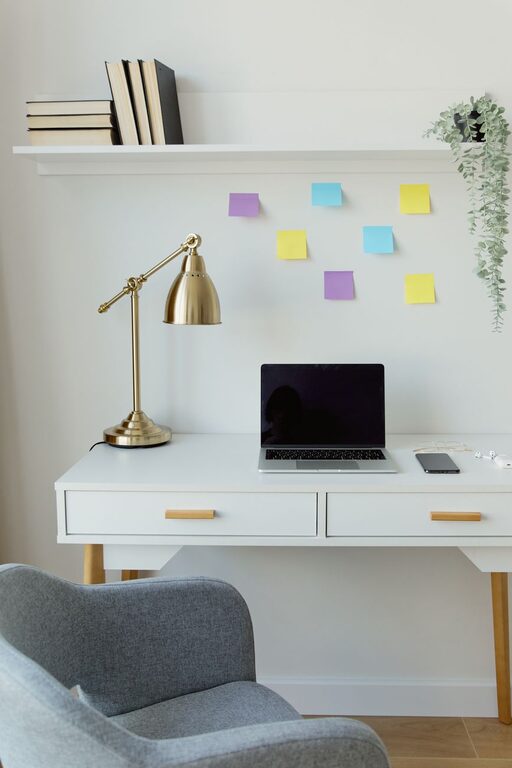
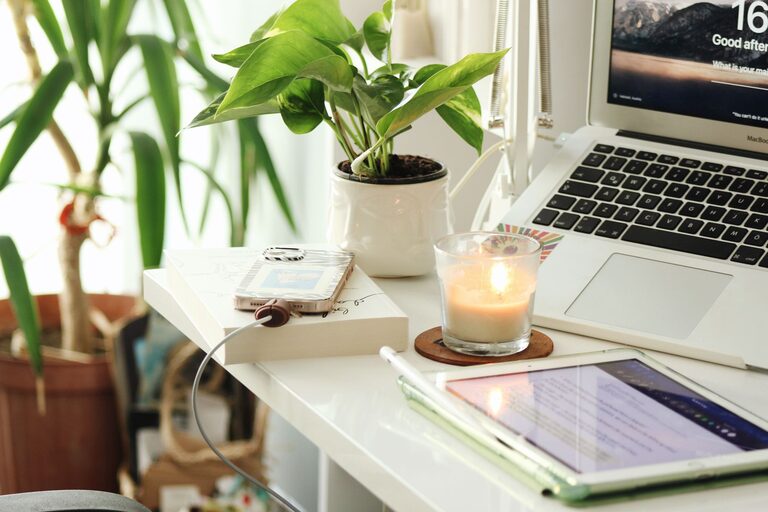
Creating a home workspace that is both relaxing and productive is essential in today’s world where many people work remotely or spend significant time at home. A well-designed workspace can improve focus, reduce stress, and make your working hours more enjoyable and efficient. Whether you have a dedicated room or just a corner of your living room, these tips will help you transform your area into an ideal environment.
1. Choose the Right Location
Find a Quiet Spot
Select a space in your home where you can minimize distractions. This might be a spare room, a nook by a window, or an area away from household traffic. Noise and interruptions can reduce your ability to concentrate, so prioritize quieter spots.
Consider Natural Light
Natural light has been shown to boost mood and alertness. Position your desk near a window if possible to take advantage of daylight. Avoid glare on your computer screen by placing your monitor perpendicular to the window.
2. Invest in Comfortable Furniture
Ergonomic Chair
A comfortable, supportive chair is crucial for long hours at a desk. Look for adjustable options that support your lower back and encourage good posture.
Functional Desk
Choose a desk with enough surface area to hold your computer, paperwork, and any other tools you use regularly. Adjustable desks that allow you to switch between sitting and standing can also improve comfort and reduce fatigue.
3. Organize and Declutter Your Space
Keep Essentials Accessible
Only keep items you use frequently on your desk. Less clutter promotes a clear mind and reduces distractions.
Use Storage Solutions
Invest in shelves, drawers, or desk organizers to keep supplies neat and within reach. Label containers for easy identification.
Make Use of Cable Management
Tidy cables and cords with clips or sleeves. This prevents tangles and creates a safer, cleaner workspace.
4. Customize Your Workspace for Focus and Calm
Choose Soothing Colors
Colors can affect your mood and productivity. Soft shades like blues, greens, or warm neutrals tend to be calming. Personalize your workspace with colors that make you feel comfortable and alert.
Add Personal Touches
Include a few meaningful items like family photos, plants, or artwork. These can make your space inviting and inspire you throughout the day.
Incorporate Plants
Plants not only beautify your desk but can improve air quality and reduce stress. Low-maintenance options like succulents or pothos are great for indoor settings.
5. Optimize Lighting
Use Adjustable Lighting
In addition to natural light, have a combination of ambient and task lighting. A desk lamp with adjustable brightness helps reduce eye strain and keeps your focus sharp.
Avoid Harsh Fluorescent Lights
If possible, use soft LED bulbs to create a warm environment. Harsh lighting can cause headaches and fatigue.
6. Maintain Good Air Quality and Temperature
Ventilation
Ensure your space has proper airflow to keep you alert and comfortable. If windows don’t open, consider using an air purifier or a fan.
Temperature Control
Adjust the temperature to a level where you feel comfortable. Too hot or too cold environments can hinder productivity.
7. Set Boundaries and Create a Routine
Clearly Define Your Workspace
Physically separating your work area helps to mentally switch between work time and personal time.
Establish Work Hours
Set specific times to start and finish work, and try to stick to a routine. This balance prevents burnout and enhances productivity.
8. Limit Digital Distractions
Use Technology Wisely
Turn off non-essential notifications, and consider apps that block distracting websites during work time.
Organize Your Computer Desktop
Keep your digital workspace neat by regularly deleting or archiving files and organizing folders. This reduces cognitive overload.
9. Take Regular Breaks
Practice the Pomodoro Technique
Work for focused intervals (e.g., 25 minutes) followed by short breaks. This approach helps sustain concentration and prevents fatigue.
Move Your Body
Use breaks to stretch or take a short walk. Physical activity improves circulation and refreshes your mind.
10. Review and Adjust Periodically
Your needs and work habits may evolve, so revisit your home workspace setup regularly. Small adjustments based on what’s working or not can make a big difference in your comfort and productivity.
—
By thoughtfully applying these tips, you can create a home workspace that supports both relaxation and focus. A comfortable, well-organized environment helps you work smarter, not harder, and maintain a positive mindset throughout your day.
About the Author