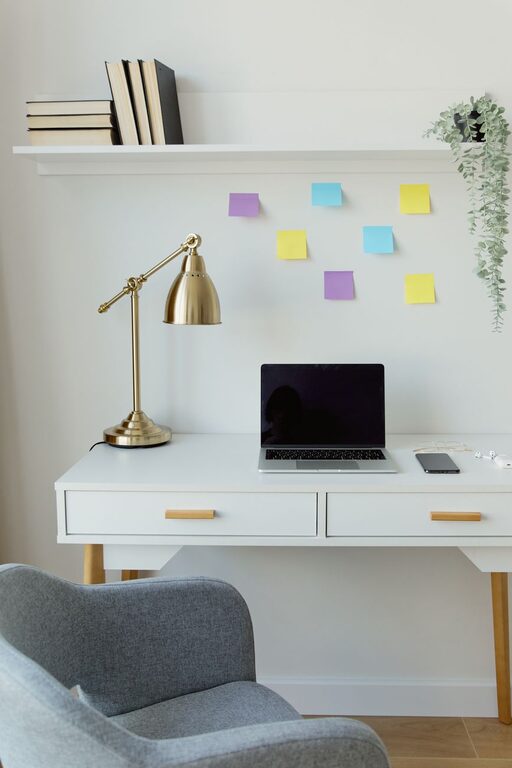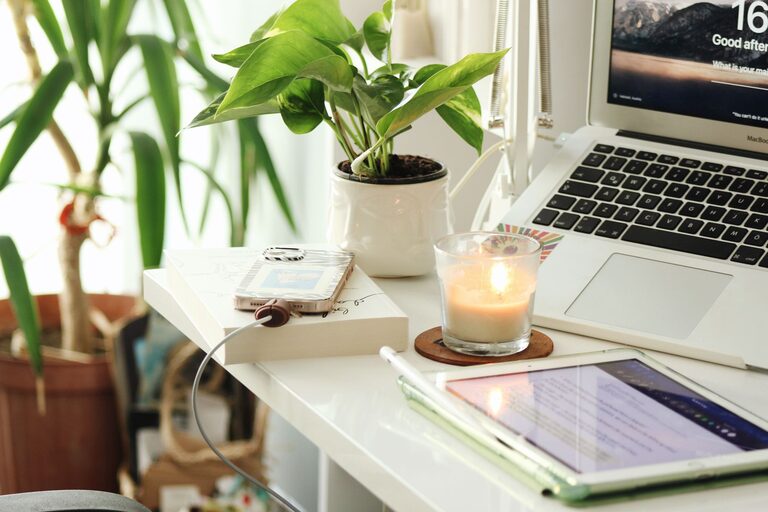

Working from home has become a common part of many people’s lives, making it essential to create a workspace that promotes productivity and comfort. A well-thought-out home office not only helps you stay organized but also improves your focus and work quality. Whether you have a dedicated room or just a corner of your living space, these tips will guide you in setting up an effective and enjoyable workspace.
Choose the Right Location
Finding the right spot is the first step toward creating a productive home workspace.
– Quiet and Private: Select a location with minimal distractions, away from high-traffic areas or noisy appliances.
– Good Lighting: Natural light is ideal as it reduces eye strain and boosts mood. If natural light is limited, invest in quality task lighting.
– Adequate Space: Make sure there’s enough room for your computer, necessary supplies, and some extra space to move comfortably.
Invest in Comfortable Furniture
Comfort plays a vital role during long working hours.
– Ergonomic Chair: Select a chair that supports your back, encourages good posture, and can be adjusted to your height.
– Desk at the Right Height: Your desk should allow your forearms to rest parallel to the floor when typing.
– Standing Options: Consider a sit-stand desk or a converter to alternate between sitting and standing.
Organize Your Tools and Supplies
Keeping your workspace tidy helps maintain focus and saves time searching for items.
– Declutter Regularly: Remove unnecessary items; keep only what you use daily within reach.
– Use Storage Solutions: Utilize shelves, drawers, or desk organizers to keep papers, tools, and electronics orderly.
– Cable Management: Use clips or sleeves to avoid tangled cords that clutter your desk.
Enhance Connectivity and Technology
Reliable technology supports a smooth workflow.
– Stable Internet Connection: Use a wireless router with good range or a wired connection if possible.
– Quality Equipment: Invest in a good keyboard, mouse, headset, and monitor to improve comfort and productivity.
– Backup Solutions: Regularly save your work and consider cloud storage or external drives to prevent data loss.
Minimize Distractions
Creating boundaries in your home workspace can help you focus better.
– Set Clear Work Hours: Inform family or roommates of your schedule to reduce interruptions.
– Turn Off Non-Essential Notifications: Silence unnecessary phone and computer alerts during work time.
– Use Noise-Canceling Headphones: These can help block out background noises, especially in busy households.
Personalize Your Workspace
Adding personal touches can make your workspace inviting and motivating.
– Incorporate Plants: Small indoor plants improve air quality and create a calming atmosphere.
– Decorate Thoughtfully: Use artwork or photos that inspire you without causing distractions.
– Comfort Items: A cozy blanket or a favorite mug can make the environment more pleasant.
Establish Healthy Work Habits
Your space is important, but so are the habits you develop while working.
– Take Breaks: Follow the 50/10 rule—work for 50 minutes, then take a 10-minute break to stretch or walk.
– Keep Hydrated and Nourished: Have water and healthy snacks accessible.
– Maintain Good Posture: Regularly check your seating and screen height to avoid strain.
Make it Flexible and Adaptable
Your needs may change over time, so ensure your workspace is flexible.
– Modular Furniture: Pieces that can be rearranged allow you to refresh your environment.
– Multi-Purpose Areas: If your workspace doubles as another room, use foldable desks or storage solutions to save space.
– Adjust Lighting: Use adjustable lamps to change the lighting according to the time of day and tasks.
—
Creating a productive home workspace is about combining comfort, functionality, and personal preference. By choosing the right location, investing in quality furniture, organizing efficiently, and developing healthy habits, you can build a space that supports your best work every day. Remember, small improvements can make a big difference in your overall productivity and well-being.
About the Author