Creating a relaxing home office environment is essential for maintaining productivity and well-being while working from home. A well-designed space promotes focus, minimizes stress, and helps separate work from personal life. Whether you have a dedicated room or just a small corner, these tips will help you craft a comfortable and calming workspace tailored to your needs.
Choose the Right Location
Finding the ideal spot for your home office is the first step. Select a quiet area with minimal distractions. Ideally, choose a space near a window to let in natural light, which can improve mood and reduce eye strain. If space is limited, a corner in your living room or bedroom with a privacy screen or room divider can work well.
Prioritize Ergonomic Furniture
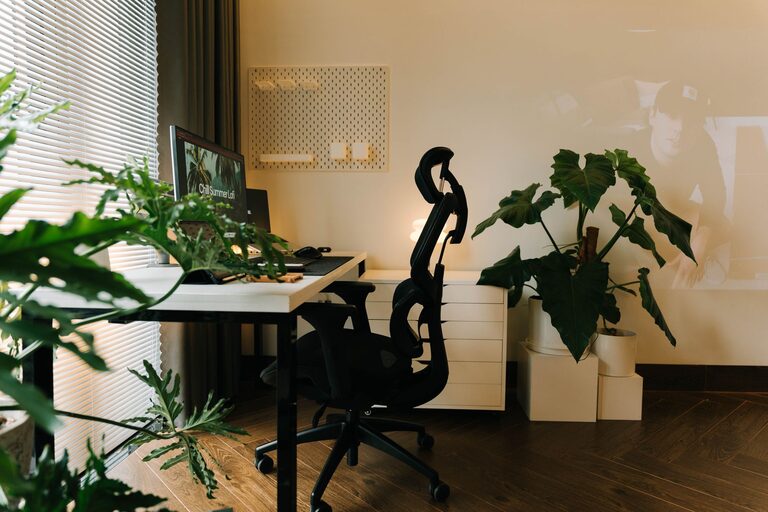
Comfort is key to long hours of focused work. Invest in an ergonomic chair that supports good posture and reduces the risk of back pain. Pair it with a desk at the proper height to keep your wrists and arms comfortable. Adjustable furniture can be a great option, allowing you to switch between sitting and standing positions during the day.
Declutter and Organize
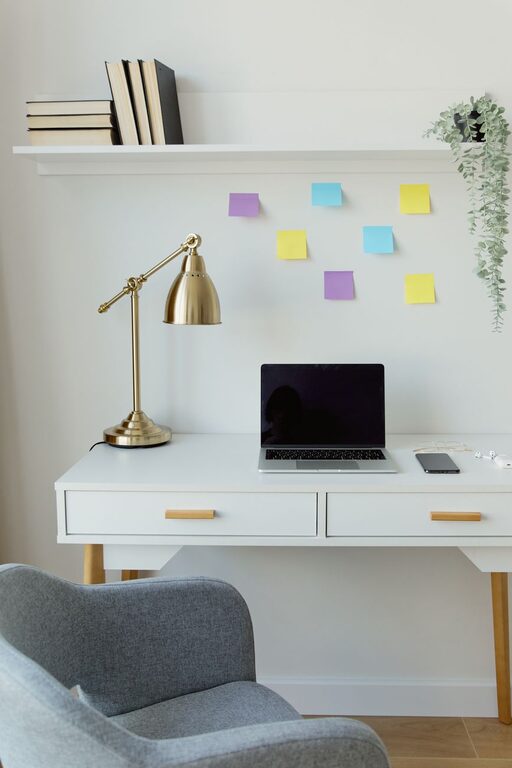
A cluttered workspace can contribute to a cluttered mind. Keep your desk tidy by using organizers, trays, and drawers. Only keep essentials on your desk and store supplies neatly. Regularly decluttering the space helps maintain a calm atmosphere and makes it easier to find what you need.
Use Soothing Colors and Decor
Colors affect mood, so choose calming hues for your home office. Soft blues, greens, and neutrals tend to create a peaceful ambiance. Decorate with items that inspire you, such as plants, art prints, or personal mementos, but avoid overcrowding the area. Adding a few natural elements like potted plants can improve air quality and boost relaxation.
Control Lighting
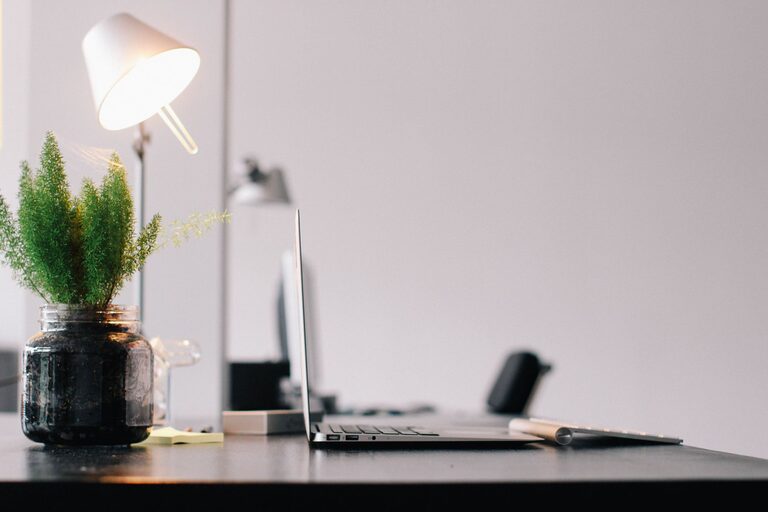
Proper lighting is crucial for reducing eye strain and fatigue. Combine natural light with layered lighting options such as desk lamps and ambient ceiling lights. Use adjustable lamps to focus light where you need it most. Avoid harsh fluorescent bulbs and consider using warm LED lights for a cozy feel.
Minimize Noise Distractions
Noise can disrupt concentration and increase stress. If you cannot control external sounds, consider using noise-canceling headphones or playing soft background music or white noise. Installing rugs or curtains can also help absorb sound and reduce echo within the room.
Incorporate Break Zones
It’s important to take regular breaks to recharge. If possible, create a small area nearby for stretching or relaxing during short pauses. Even a comfortable chair or a yoga mat can encourage movement and help clear your mind before returning to work.
Personalize Your Workspace
Add personal touches that make your workspace enjoyable without overwhelming it. Photos, meaningful objects, or inspirational quotes can help create a positive work atmosphere. The goal is to make your home office a place where you feel both comfortable and motivated.
Establish Boundaries
Having a separate workspace helps mentally distinguish work time from personal time. Set clear boundaries with household members about your working hours and avoid using your workspace for non-work activities. This separation supports a healthy work-life balance.
Maintain Good Air Quality
Fresh air and good ventilation contribute to overall comfort and alertness. If your home office doesn’t have a window, consider using an air purifier or a fan to circulate air. Regularly open windows when possible to bring in fresh air.
—
By following these tips, you can create a home office environment that supports relaxation, comfort, and productivity. A well-designed workspace not only helps you perform better but also promotes a healthier mindset and a more enjoyable working experience at home.
About the Author